Categories
Difference between Counselling & Psychotherapy Gender & Sexuality Grieving & Loss Marriage & Long-Term Relationships Mindfulness and Mental Health Relationships

Nicole Gaugas | Integrative Counselling in Plymouth | Support for Individuals & Couples

Finding Your Way Forward

Life can feel overwhelming at times. You may be holding everything together on the outside while feeling exhausted, stuck, or uncertain where to begin on the inside. Whether you’re facing anxiety, stress, relationship challenges, or questioning your identity, taking the first step towards support can feel daunting – but it doesn’t have to be perfect.

A Space to Begin, Just as You Are

Many people come to counselling feeling they need the “right words” before they start. The truth is, you don’t. You simply need a place where you can begin – safely and at your own pace.

As a qualified Integrative Counsellor, Nicole Gaugas provides a steady, compassionate space where you can explore what’s happening in your life. Her approach is grounded in collaboration, meaning your work together is shaped around you, your experiences, and your goals.

What Is Integrative Counselling?

Integrative counselling combines different therapeutic approaches to suit your individual needs. Rather than a one-size-fits-all method, Nicole draws on evidence-based techniques tailored specifically to support your journey.

This flexible approach is particularly helpful if you are:

  • Struggling with anxiety or stress
  • Feeling stuck in repeating patterns of behaviour
  • Going through life transitions or identity changes
  • Experiencing relationship difficulties
  • Feeling overwhelmed or emotionally drained

Supporting Individuals and Couples

Nicole’s work extends beyond individual counselling. She has expanded her training to support couples navigating challenges within their relationships.

Together, you can:

  • Understand recurring relationship patterns
  • Improve communication and emotional connection
  • Work through conflict in a constructive way
  • Build healthier, more fulfilling relationships

For individuals, your focus may include self-understanding, emotional resilience, and creating meaningful change in your life.

A Collaborative and Practical Approach

Every session is shaped around what you need in that moment. Alongside in-session work, Nicole provides between-session tools and strategies tailored to your goals, helping you continue your progress outside of the counselling room.

Clients often describe Nicole’s approach as:

  • Calm
  • Honest
  • Realistic
  • Supportive

Most importantly, she is there to support you professionally every step of the way as you move towards a more balanced and fulfilling life.

Flexible Counselling Options in Plymouth

Nicole offers counselling for both individuals and couples, with flexible options to suit your lifestyle:

  • Face-to-face sessions in Plymouth
  • Online counselling sessions
  • Availability on Mondays, Thursdays, and Fridays

Taking the First Step

If you’re unsure whether counselling is right for you, that’s completely okay. Nicole will take things one step at a time, at a pace that feels comfortable for you.

Starting counselling doesn’t require certainty – it simply requires a willingness to explore.
Book an Appointment with Nicole Gaugas

Categories
Addiction Children & Young People Difference between Counselling & Psychotherapy Gender & Sexuality Grieving & Loss Marriage & Long-Term Relationships Mindfulness and Mental Health PTSD & Trauma Relationships

Finding the Right Support: Counselling in Plymouth for Anxiety, Stress, Depression & Relationships

Life can feel overwhelming at times. Whether you’re struggling with anxiety, low mood, or pressure from work or family life, it’s important to know that you don’t have to face it alone. Counselling offers a safe, confidential space where you can explore your thoughts and feelings, gain clarity, and begin to move forward.

Kate Gibb is an experienced counsellor in Plymouth, supporting individuals through a wide range of emotional and psychological challenges, including anxiety, depression, relationship difficulties, parenting struggles, workplace stress, and anger management.

Understanding Anxiety and Depression

Anxiety and depression are among the most common reasons people seek counselling. Anxiety can present as constant worry, racing thoughts, or physical symptoms such as tension and restlessness. Depression may leave you feeling low, withdrawn, or lacking motivation.

Through counselling with Kate, clients are supported to explore the underlying causes of these feelings in a non‑judgemental space, helping them develop healthier coping strategies and regain a sense of balance and control.

Navigating Relationship and Family Challenges

Relationships can be deeply meaningful, but they can also be complex and challenging. Difficulties with communication, conflict, or emotional distance can leave people feeling isolated or misunderstood.

Counselling provides a supportive space to explore relationship patterns, improve communication, and gain insight into emotional needs. Whether the challenges involve partners, family members, or close relationships, Kate offers compassionate and thoughtful support.

Parenting Support

Parenting can be rewarding, but it can also feel exhausting and overwhelming at times. Managing children’s needs, behaviour, and family responsibilities can place significant emotional strain on parents.

Kate offers counselling in Plymouth for parents who need space to reflect, reduce stress, and develop strategies that feel realistic and supportive for both themselves and their families.

Anger Management and Emotional Regulation

Anger is a natural emotion, but when it becomes difficult to manage, it can affect relationships, work, and self‑esteem. Counselling helps clients understand what sits beneath anger and how to respond in healthier, more constructive ways.

By learning to recognise triggers and develop emotional regulation skills, clients often experience improved relationships and a stronger sense of emotional control.

Managing Workplace Stress

Workplace stress affects many people in Plymouth, whether due to high workloads, difficult working environments, or challenges with work–life balance. Left unaddressed, stress can impact both mental and physical wellbeing.

Counselling can help you identify the sources of workplace stress, set boundaries, and build resilience. Kate works collaboratively with clients to find practical ways to manage pressure and restore confidence at work.

Book an Appointment with Kate Gibb

Taking the first step towards counselling can feel daunting, but support is available. If you are looking for professional counselling in Plymouth, Kate offers a warm, confidential, and supportive approach tailored to your individual needs.

👉 Book an appointment with Kate Gibb:

Categories
Addiction Children & Young People Difference between Counselling & Psychotherapy Featured Article Gender & Sexuality Grieving & Loss Marriage & Long-Term Relationships Mindfulness and Mental Health PTSD & Trauma Relationships Uncategorized

When Everything Feels Too Much 💭

Support for Emotional Overload in Plymouth

There are times in life when everything can feel overwhelming. Stress builds, worries pile up, and emotions become harder to manage. If you’ve been feeling this way, you are not alone – and it does not mean you are failing.

Emotional overload is a natural response when your mind and body are carrying more than they have the space to process. Work pressures, relationship difficulties, family responsibilities, or ongoing anxiety can all contribute to this sense of being “too full” emotionally.

What Is Emotional Overload?

Emotional overload happens when stress and difficult feelings accumulate over time. You may notice:

  • Feeling constantly overwhelmed or exhausted
  • Struggling to focus or make decisions
  • Irritability or emotional outbursts
  • Anxiety, worry, or low mood
  • A sense of being “stuck” or unable to cope

These are signals from your mind and body that something needs attention – not criticism.

A Simple First Step: Pause and Check In

When everything feels too much, the first step isn’t to solve everything at once. It is simply to pause.

Take a moment to gently ask yourself:

  • What am I feeling right now?
  • What do I need in this moment?

Naming your emotions – even quietly to yourself – can help create a sense of space and calm. From there, small steps forward begin to feel more manageable.

How Counselling Can Help

Talking to a trained counsellor can make a meaningful difference when you are feeling overwhelmed. Counselling provides:

  • A safe, confidential space to talk openly
  • Support in understanding your thoughts and feelings
  • Help identifying patterns and stress triggers
  • Guidance in finding healthier ways to cope
  • A steadier, more grounded path forward

You do not have to carry everything on your own.

Counselling Support in Plymouth

At Personal & Relationship Counselling Plymouth, we understand how heavy life can feel at times. Whether you are dealing with anxiety, stress, relationship challenges, or emotional overwhelm, we are here to support you.

We offer a free 15-minute phone conversation, giving you the chance to talk things through and decide if counselling feels right for you.

Categories
Addiction Children & Young People Difference between Counselling & Psychotherapy Featured Article Gender & Sexuality Grieving & Loss Marriage & Long-Term Relationships Mindfulness and Mental Health PTSD & Trauma Relationships

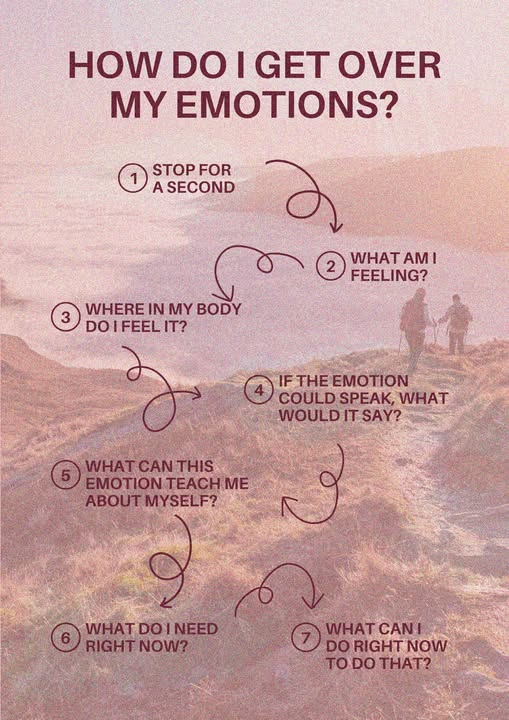
How Do I Get Over My Emotions?

Many people ask, “How do I get over my emotions?” – especially when feelings feel intense, overwhelming, or uncomfortable.

But the truth is, we don’t always need to get over our emotions. Often, what we really need is to slow down and understand them.

Emotions Are Not the Problem

Emotions are a natural part of being human. While some feelings may feel unpleasant or difficult to sit with, they are not a sign that something is wrong with you. In fact, emotions carry important information.

They can signal:

  • Stress or burnout
  • Hurt or unresolved pain
  • Fear or anxiety
  • Overwhelm
  • Unmet emotional needs

When we try to push emotions away or ignore them, they often return louder and stronger. Listening to them – rather than fighting them – can be the first step toward emotional balance.

Why Slowing Down Matters

In a busy world, we’re often encouraged to “stay strong,” “move on,” or “think positive.” While well‑intentioned, these messages can make us feel like our emotions are inconvenient or wrong.

Slowing down allows space to:

  • Notice what you’re feeling without judgment
  • Understand where those feelings may be coming from
  • Respond with care rather than reacting on autopilot

This pause can help you feel more grounded and less controlled by your emotions.

Not Every Feeling Needs to Be Fixed

Some emotions don’t need solutions – they need acknowledgement.
Sadness, anger, anxiety, or frustration often soften when they are listened to with curiosity rather than resisted.

Instead of asking, “How do I stop feeling this way?”
You might gently ask:

  • What is this feeling trying to tell me?
  • What do I need right now?

This shift can be powerful in supporting emotional wellbeing.

When Emotions Feel Too Much to Handle Alone

There are times when emotions can feel confusing, persistent, or overwhelming. If you find yourself stuck in emotional patterns or struggling to cope, you don’t have to manage it on your own.

Counselling offers a safe, supportive space to explore what you’re feeling, understand your emotional responses, and identify what you need next. It’s not about being told what to do – it’s about being heard, understood, and supported at your own pace.

Taking the First Step

If you’re finding your emotions hard to manage, reaching out can feel daunting – but it can also be a relief.

Our Plymouth counselling service offers a free 15‑minute phone conversation to help you explore whether counselling feels right for you. It’s an opportunity to ask questions, talk things through, and take a gentle first step toward feeling more supported.

📞 Get in touch today to book your free call.